




Back to Writings
Dream Time
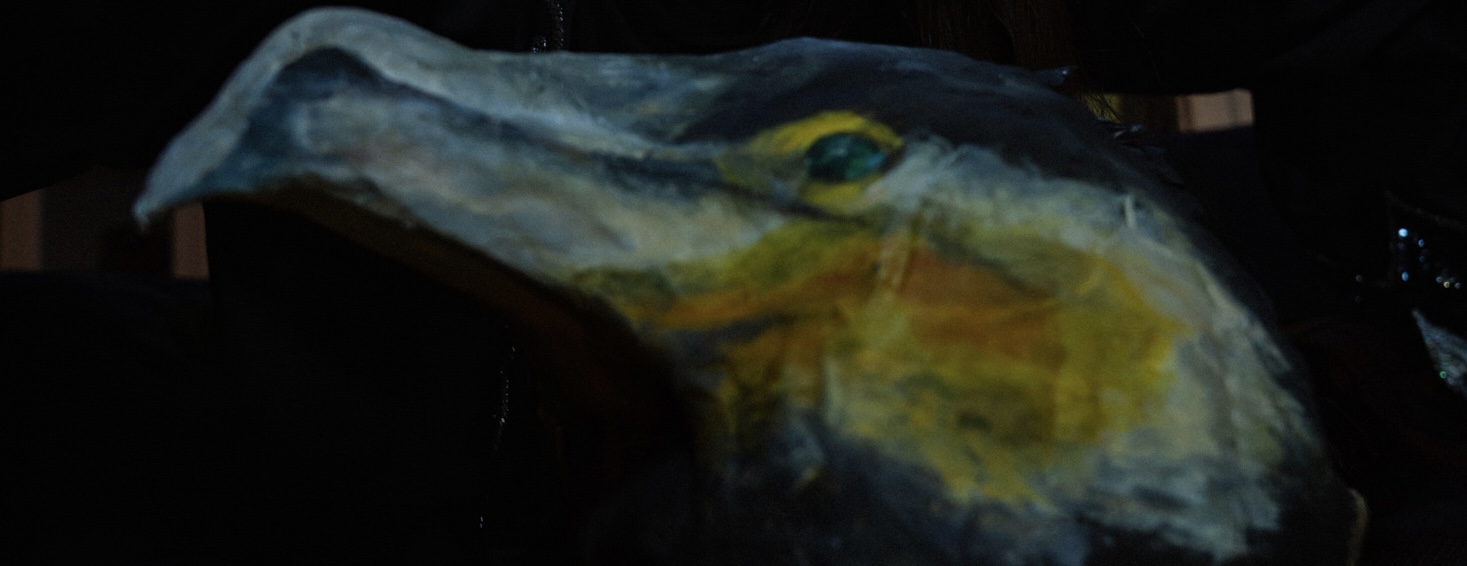
Dream time begins when the past, present and future and the outer and inner reality collapse into each other — something that happens in any creative experience and imaginative living: in painting, writing, singing, scientific finding, religious encounters, etc. This is the space of discovery and creation of experience.
Oftentimes, when dancing butoh, clock time disappears and we fall into a sort of eternal present where the past and the future—as it unfolds or is dreamt—are vividly lived. Ogden writes: "In the experience of synchronic time (=dream time), the past is alive in the present in the form of the impressions that the past had left on the individual. In this time, we are the totality of the experiences that have influenced us and have left their impression on us. This is the paradox of synchronic time: the past exists only as a memory; and all of the past is alive in the present moment of who the individual is. The present moment is ‘the present moment of the past’ (Eliot, 1919, p.11), the present moment informed by the impressions left on us by the entirety of our past experience."
In the world of clock time, where past, present and future, go one after the other, our experience is characterised by the constant job of distinguishing what is inside and outside of us. This can be very easily seen with emotions: Does this person feel angry or am I projecting my own fears onto her? Is this landscape happy or do I simply feel happy today?
In butoh, we also practice the disappearance of the boundary between the inside and the outside, where the performer is the world and the world is contained in the performer. What stands between a tree and my biological perception of it, is already that creative space which is "me" — me watching the tree in a creative and unique way. That is to say, perception is not neutral, it goes through a lens that is "my" eyes and my way of engaging with the world. In this space of freedom we are alive "to our experience of ourselves and the world."