




Back to Writings
On Butoh, Hierarchies and Age
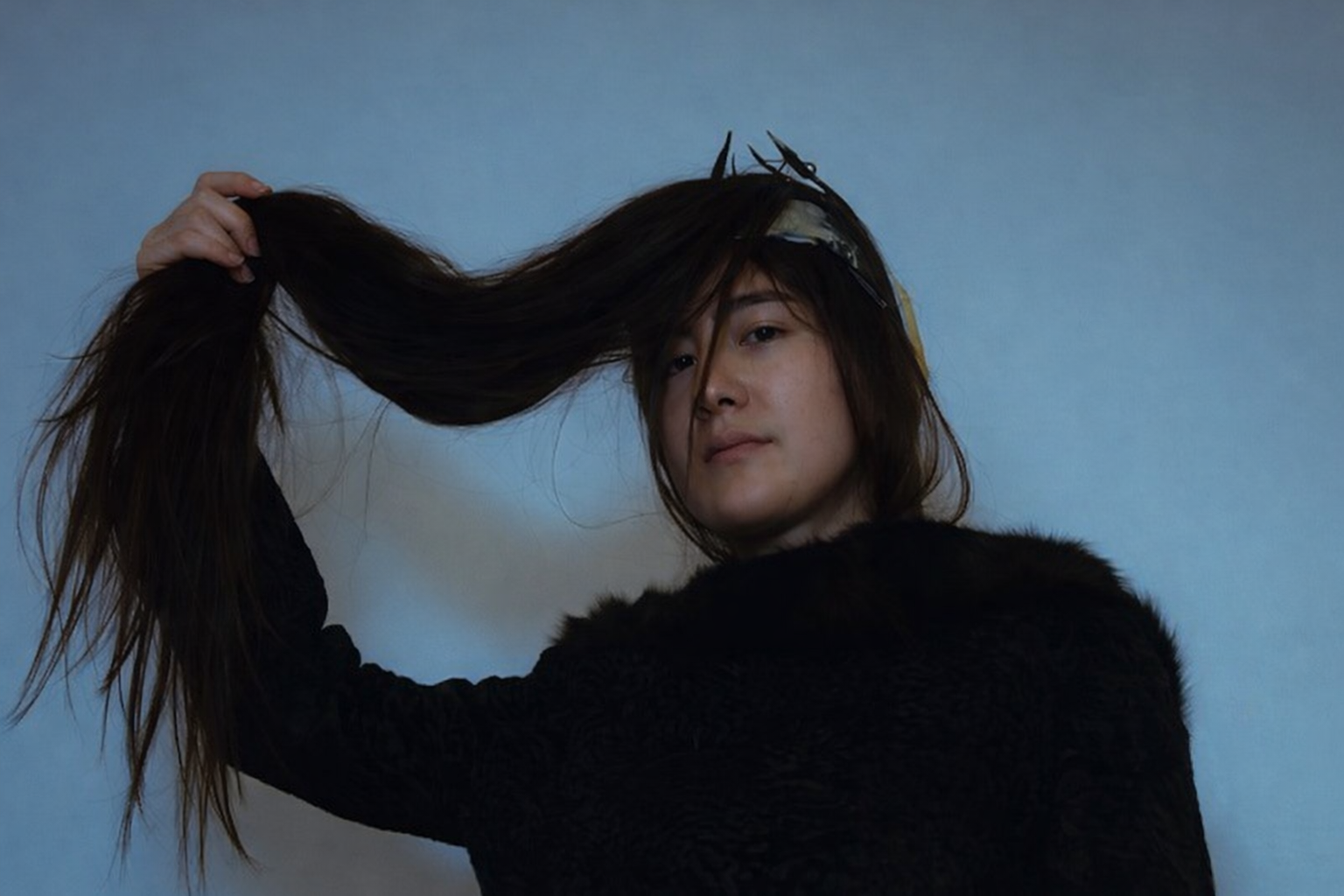
“To provoke is a right, to be provoked is a pleasure” — Pier Paolo Pasolini
Butoh carries, historically and culturally, an Asiatic tendency toward hierarchy. This is not accidental; it emerges from social structures in Japan and from artistic lineages that resemble martial arts transmission. The master–student relationship in butoh often mirrors the dojo model: long apprenticeship, obedience, endurance.
On the surface, teachers may say: “You must find your own butoh.” But underneath, the message can be: “The only butoh is my butoh and everything else is not good enough." There is then a strong belief circulating in butoh communities that if you have studied long enough with a recognized master, you dance butoh. That absorbing a lineage equals talent and authenticity. But this is simply not true.
Someone who has never studied with any butoh teacher may already dance butoh — because butoh is not a diploma, not a certificate of attendance, not an inherited badge. And someone who has studied for decades with a famous master may be totally empty and only reproduce certain butoh cliches.
Lineage does not guarantee depth and that’s why to value a person primarily because they studied with someone well-known for a long time is a distortion. It shifts attention from the work itself to borrowed authority. An artist should be valued for their talent, for whether they touch something in you, for whether they have a strong presence that moves the air around them.
Butoh was born as a rebellion and research into authentic movement — to institutionalize rebellion and authenticity into hierarchy and credentialism is already a contradiction.
There is also the persistent myth that age equals maturity. Age brings time. Time brings experience. But experience does not automatically bring reflection. Reflection does not automatically bring wisdom. There is nothing in this life we can take for granted. There are people who are old yet emotionally undeveloped, still operating from unexamined power structures. And there are younger artists who, through intensity of life or deep introspection, have ripened into clarity and maturity. Maturity is not chronological.
And yet, butoh absolutely needs time. The body needs time. The nervous system needs time. The ego needs time to soften. However, the master-student relationship in butoh rigidifies masters themselves and grows their ego… over time. The future of butoh — if it is to remain alive rather than fossilized — may depend on disentangling legitimacy from lineage, guidance from ownership and age from maturity.
And perhaps the real measure of butoh is not how long you have stayed with a master — but how truthfully you stand alone.
That said, I love my masters: Atsushi Takenouchi, Imre Thormann, Vangeline, but I have not studied with them a long time at all and I don’t think they would recognize me as their student. However, I’ve watched them dance and I tried to learn by watching and tried to understand the essence — the seed — of what they were doing when I was at their classes or read their books. This deciphering, rather than passive receiving, made me autonomous, independent and responsible for my own work. I still watch them when I need inspiration, and not only them but all the other butoh masters whom I like and who are not with us any more.
And then I continue standing alone.
[Photo above by @gend_her]