




Back to Writings
One Hundred Ways of Butoh or What is Butoh
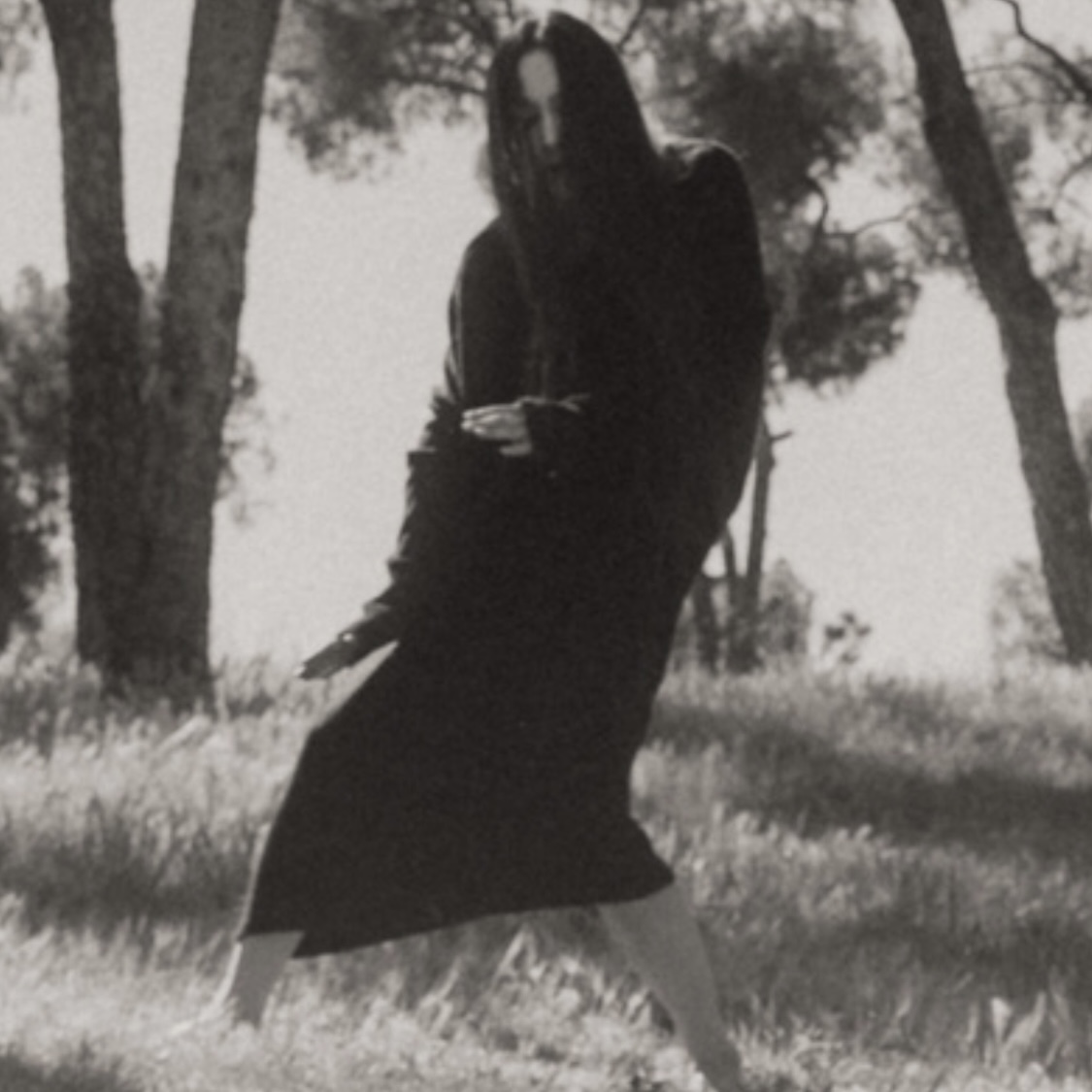
Butoh is not a single aesthetic or method but a constellation of forces, a shifting field of impulses that emerged in postwar Japan and continues to expand today.
> At its core lies an intense meditation on death and rebirth. This dimension is often linked to Buddhist sensibilities, yet it also resonates with the historical trauma of World War II, whose devastation shaped the generation that first articulated butoh. The body becomes a site of dissolution and regeneration: it decays, fragments, and returns, as if passing through cycles that are both cosmic and intimate. In this sense, butoh is less a dance of expression than a ritual of transformation.
> Another crucial component is the welcoming of spirits. The performer does not merely represent but becomes permeable, inviting presences that exceed individuality. This recalls Shinto cosmologies in which the world is animated by unseen forces, as well as the sacred atmospheres of Nō theatre, where slowness, suspension, and silence allow the invisible to manifest. The encounter with yōkai and ancestral traces situates butoh in a continuum of ritual performance, where the boundary between the living and the dead is porous and unstable.
> Simultaneously, butoh explores the out-of-the-ordinary through the imagination. The encounter with French Surrealism opened a space in which dream, metamorphosis, and the irrational could be embodied. The dancer becomes animal, mineral, ghost, or landscape. This imaginative leap does not escape reality but intensifies it, revealing the latent strangeness within the everyday. The grotesque and the transgressive are therefore not mere provocations but pathways toward hidden layers of perception. Alongside Surrealism, currents such as French Decadentism and Malditism nourished a fascination with marginality, excess, and taboo. In Japan, these impulses found echoes in writers like Yukio Mishima and in early counter-cultural movements that sought to challenge both social norms and aesthetic conventions.
> Butoh also emerged in dialogue with modern and avant-garde dance. Figures such as Mary Wigman expanded the expressive range of the body and questioned what could be considered danceable. Butoh radicalized this inquiry: trembling, stillness, awkwardness, or collapse became as significant as virtuosity. The body was no longer an instrument of beauty but a terrain of limits.
> Poetry plays an equally central role. In the work of Kazuo Ohno, movement often arises from poetic images, sometimes minimal, sometimes enigmatic. This sensitivity may resonate with the haiku tradition, where small events contain vast intensities. A gesture can hold a season, a memory, or an entire life. Language and movement intertwine, each nourishing the other.
> More recently, ecological awareness has become prominent, particularly in the practice of Min Tanaka. Here the body is not separate from the environment but embedded in soil, weather, and landscape. Dance becomes a negotiation with gravity, mud, wind, and time. This ecological dimension extends butoh beyond the stage, reconnecting it with ritual and everyday life.
> Lastly, butoh often unfolds as ritual, evoking archaic strata of being and contact with forces from which modernity recoils, including endurance, illness, and death. It thereby serves limit-exploration and de-subjectivation, negatively mirroring the hyper-modern hunger for curated “experiences” by undoing the self that would consume them. But the risk arises when it narrows to this, either primarily or exclusively, thus becoming a purely modern pseudo-cathartic technique.
Today, butoh continues to absorb influences from global cultures, and counter-cultures, spiritualities, and even philosophies. It travels across geographies, engaging with diverse communities while retaining its core commitment to transformation, imagination, and radical presence.
Its many facets do not form a closed system but an open process, where death, spirit, poetry, ecology, and transgression converge in a living, evolving practice.
What is important, then, is to ask which of all these components are today—independently from personal tastes that may incline each of us toward one or another, or several—most in need, or most capable, of being further explored, reworked, and re-elaborated anew. Such a question shifts the focus away from fidelity to tradition or preference for certain lineages, and instead opens a shared horizon of inquiry. It invites us to consider the historical and contemporary urgencies that call for attention: which dimensions of butoh still remain latent, insufficiently developed, or newly relevant in the present? To engage with butoh in this way means to understand it not as a fixed heritage but as an unfinished process—one that demands continuous transformation, critical reflection, and imaginative renewal.
Text by Carlos A. Segovia.